Description
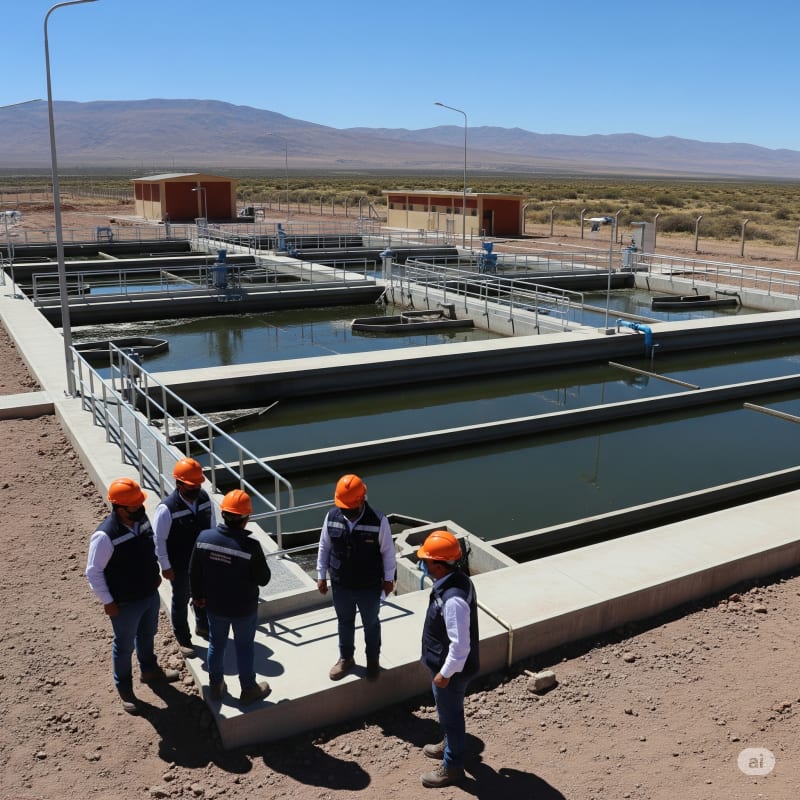
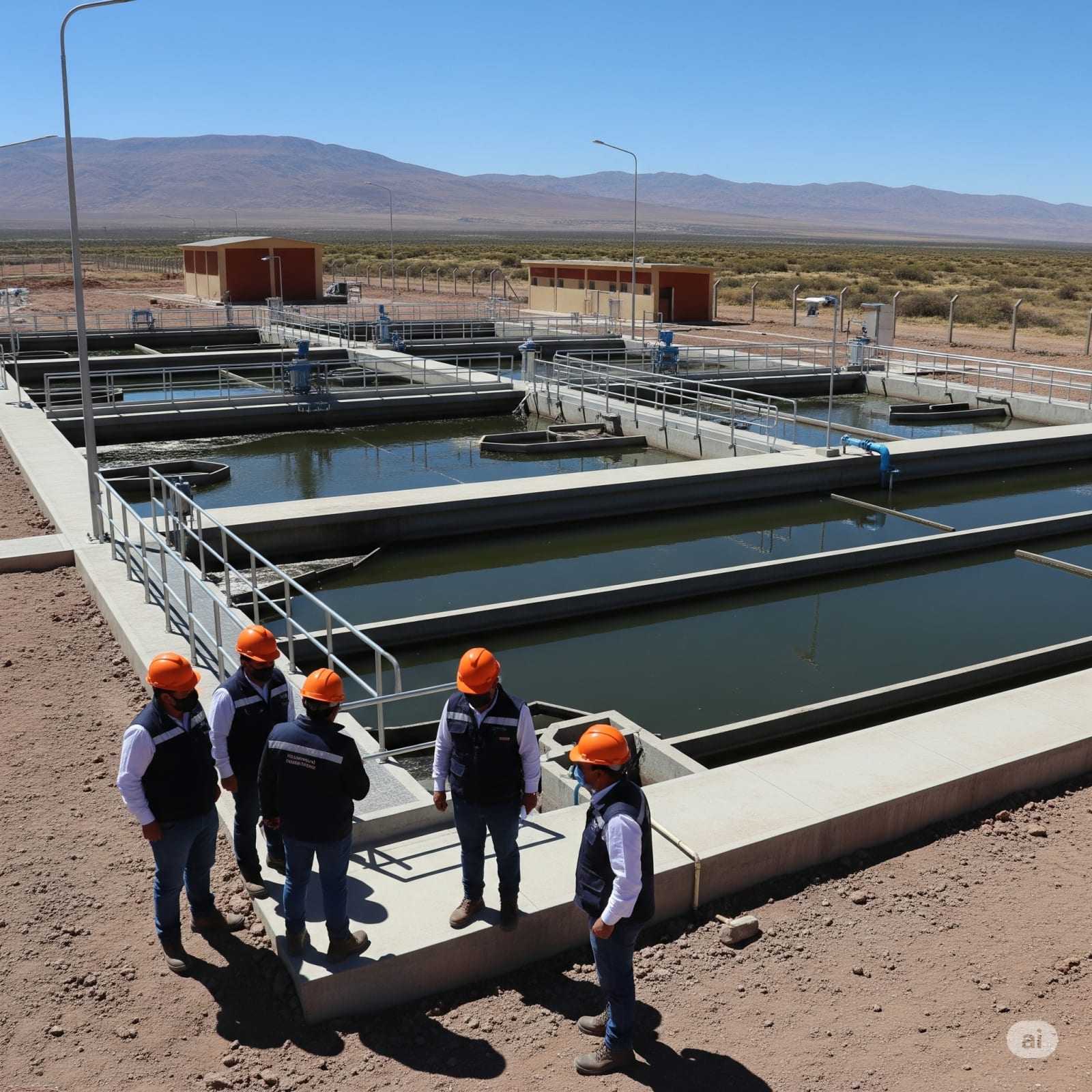
The "National Inventory of Wastewater Treatment Plants (PTAR)" project is a strategic technical initiative for the collection, systematization, and analysis of geospatial and operational data from PTARs in Bolivia. Its objective is to consolidate a unified and updated database for water management and sanitation planning. Technical Scope and Parameters The inventory collects critical information per PTAR, including: Georeferencing: Precise position (lat/lon/alt) and GIS integration. Influent: Classification (domestic, industrial, mixed) and characterization (DBO5, DQO, SST, pH). Treatment Technologies: Identification of process units: Pre-treatment/Primary: Screens, grit chambers, Imhoff tanks. Secondary (Biological): Predominantly Stabilization Ponds (anaerobic, facultative, maturation); also Anaerobic Reactors (RAFA, RAC), and less frequently, Activated Sludge. Tertiary: Disinfection (Chlorination, UV), nutrient removal. Capacity: Design vs. Operational (flow, organic load, equivalent population). Removal Efficiency: Measurement of reduction of key contaminants. Operational Status and O&M: Evaluation of infrastructure and deficiencies. Final Disposal: Type of receiving body and compliance with LMP (Water Pollution Regulation). Sludge Management: Treatment and disposal methods. Administrative: Operating entity and dates. Overview of PTAR in Bolivia According to MMAyA and AAPS data (up to 2022), Bolivia has 216 built PTARs, of which only approximately 110 operate adequately. The coverage of wastewater treatment is estimated at 35% of the generated waters. Stabilization Ponds are the most common technology, followed by Imhoff Tanks and Anaerobic Reactors. This inventory is an essential tool for planning and monitoring water resources in the country.
Gallery